Every job starts with a plan, but the execution often comes down to one thing—having the right equipment. When crews are working with tools that aren’t built for the job, even simple tasks can take longer than they should. What seems like a small inconvenience at first can quickly turn into delays, added labor, and unnecessary costs.
On the other hand, when the right equipment is in place from the start, everything runs smoother. Tasks that would normally take hours can be completed in a fraction of the time. Crews don’t have to work around limitations or improvise solutions, which keeps projects moving forward without constant interruptions.
There’s also a consistency factor that often gets overlooked. The right equipment helps ensure the job is done correctly the first time. Instead of going back to fix mistakes or redo sections of work, teams can rely on tools that deliver accurate and dependable results. Over time, that level of consistency adds up—saving both time and money across multiple projects.
Another key benefit is reducing strain on workers. Equipment that’s designed for the task helps minimize physical wear and tear, making the job safer and more efficient. When workers aren’t fighting against their tools, productivity naturally improves.
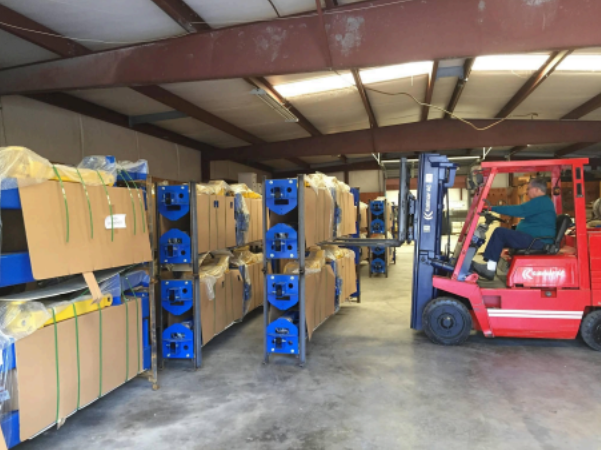
Whether it’s a small project or a large-scale job, the principle stays the same. The right equipment doesn’t just support the work—it plays a major role in how successful that work will be.
- Faster job completion with fewer slowdowns
- Lower labor costs by improving efficiency
- More reliable results with less rework needed