It always seems to happen at the worst possible moment. You’re in the middle of a job, everything is moving, and then suddenly—equipment goes down. No warning, just delays. It’s frustrating, but it’s not random.
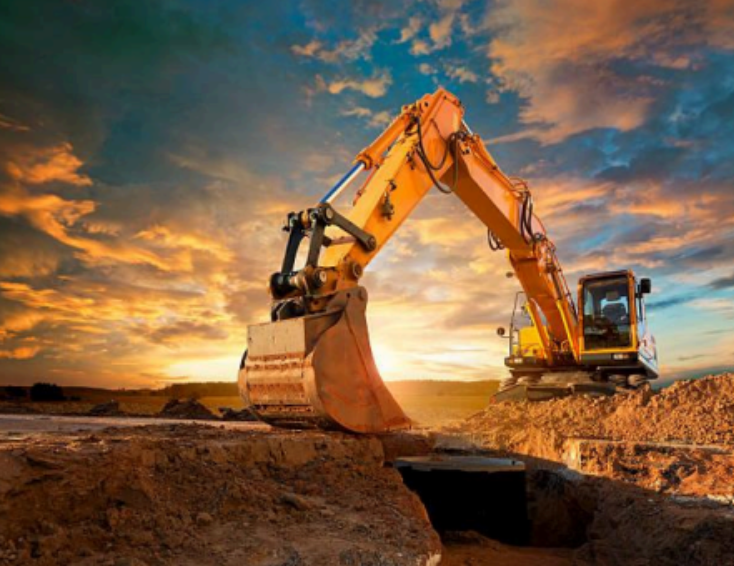
It’s Not Bad Luck
Most breakdowns don’t come out of nowhere—they build up over time. The issue is that early warning signs are easy to miss when everything still seems to be working fine. Then when the equipment is pushed harder than usual, it finally gives out.
Pressure Brings Problems to the Surface
Equipment is most likely to fail when you need it the most.
- Long hours and heavy workloads push machines to their limits
- Worn parts that held up before suddenly can’t keep up
That’s why breakdowns feel like they happen at the worst time—they happen under the most stress.
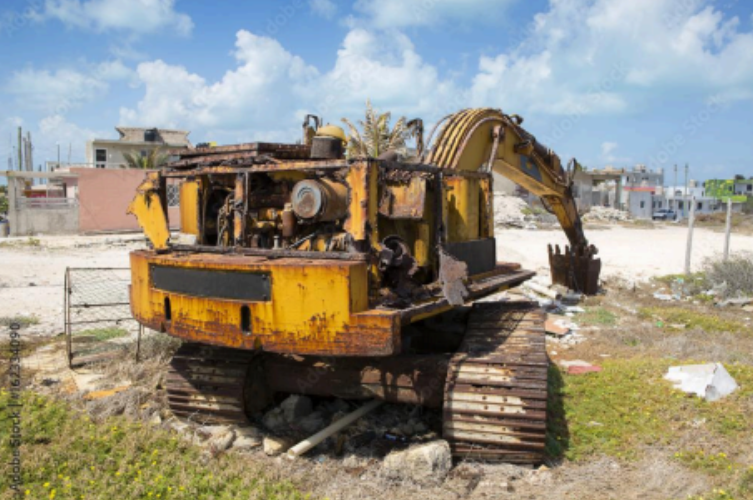
Small Problems Add Up
A lot of major failures start small.Things like low fluids, minor leaks, or worn components don’t seem urgent at first. But over time, they stack up and weaken the system. Then one day, under pressure, everything hits at once.
Staying Ahead of It
You can’t prevent everything, but you can reduce the chances of getting stuck mid-job.
- Quick checks and regular maintenance catch problems early
- Fixing small issues now prevents bigger ones later
Breakdowns aren’t random—they’re usually the result of wear, stress, and missed warning signs. Staying ahead of those signs makes all the difference when the job is on the line.Coastal Equipment helps keep your machines ready, so you’re not dealing with problems when it matters most.